Journal
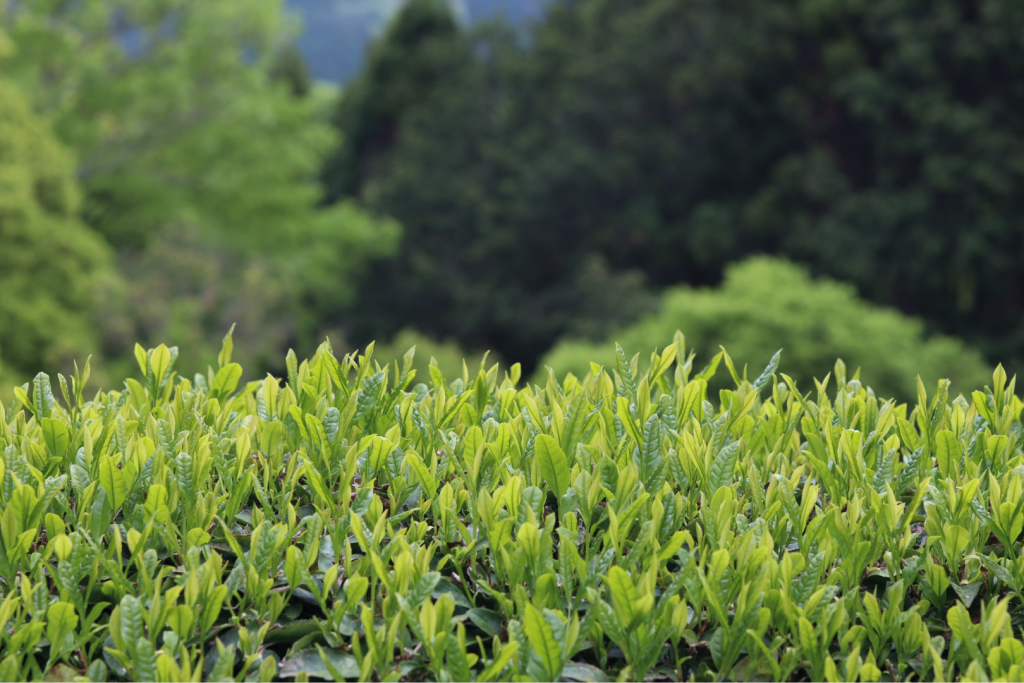
As March begins, the air in the valley gradually softens. The tea bushes are still dormant, but work in the fields begins at this time of year.
Watching for frost
Yuyadani lies in a valley where the wind blows constantly. This wind wraps around the tea bushes and helps protect them from frost—one reason this area has remained a tea-growing region for so long.
Even so, late frost can damage the new shoots. A cold spell after the buds begin to move affects that year’s first harvest. Reading the weather charts and judging when the buds will begin to grow is the work that demands the greatest care at this time of year.
Late frost
Freeze damage to new shoots that have emerged in spring, caused by an unseasonable cold spell. In tea production, such damage can greatly reduce the yield and quality of the first harvest, making it one of the weather risks that growers watch most closely.
Source: 城州ゆたに 山口製茶処
Building the soil
We use neither fertilizers nor pesticides. This means relying on the strength of the soil itself. Fallen leaves accumulate, microorganisms break them down, and they return to the soil. Our approach to soil care is to avoid disrupting that cycle.
Zairai tea plants send their roots deep into the ground. They are not naturally suited to methods that accelerate growth by fertilizing the surface soil. We wait for them to grow slowly.
Waiting for spring
The yield changes from year to year. The flavor changes too. No two years are ever the same. It can be seen as a flaw, or as a record of that particular year.
We believe it is the latter. The first tea harvest usually begins around early May.


Matcha
Okumidori Matcha
¥5,800
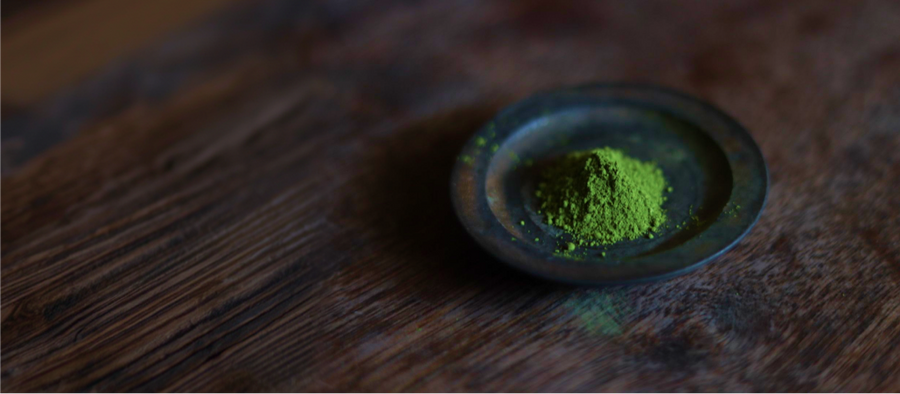
Single-estate, single-cultivar matcha. Classified as yamacha within Uji matcha, it is known for its rich aroma.


 Terroir