


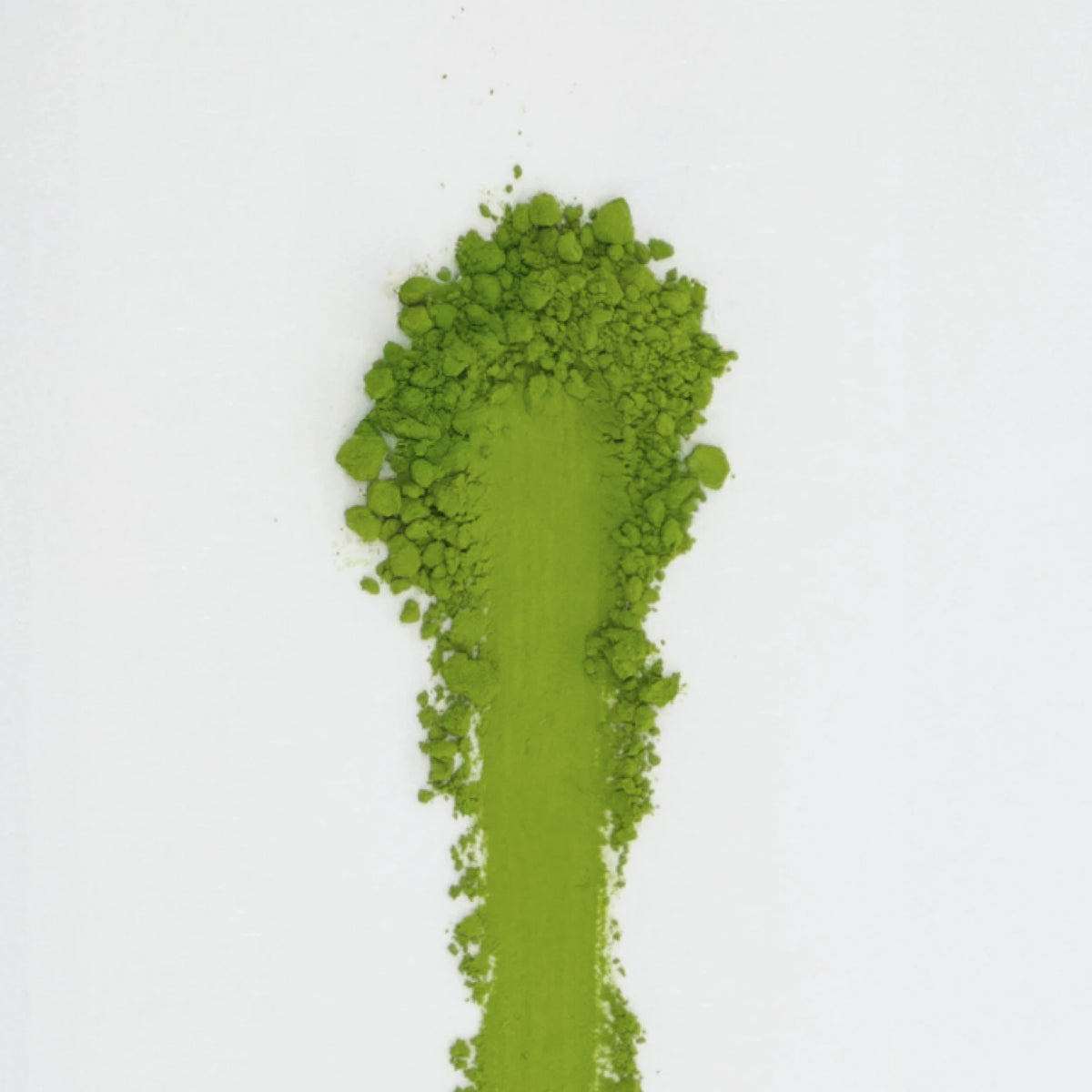
Matcha
Yabukita Matcha (Inkyo)
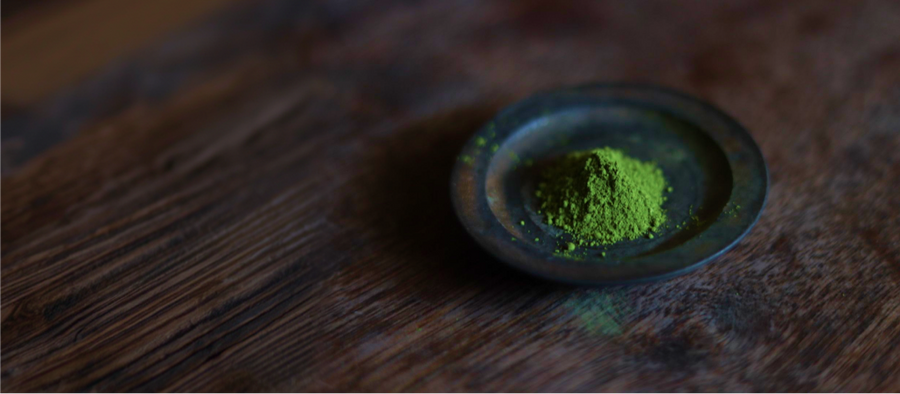
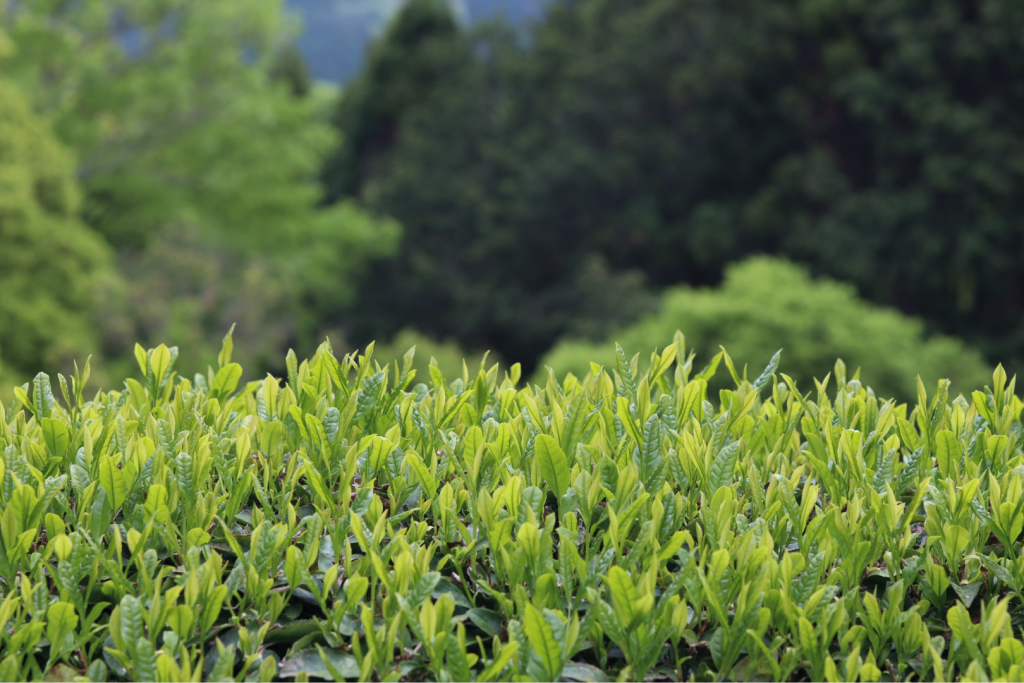
Yabukita matcha from the Inkyo garden.
Net weight
SHIPPING & DELIVERY
Delivery: 5–7 days / DHL or Japan Post
Customs duties: payable on arrival / follow your shipment with the tracking number
Returns: accepted within 7 days of arrival for unopened, unused items only
OUR TEA STORY
Two Fields, One Matcha

This matcha comes from two Yabukita tea fields in Yuyadani. The first is Inkyo in Nanamawari, a field of about 500㎡ whose bushes are rooted in Tertiary strata from the Cenozoic era. The second is Kuromamezaka in Shimonishidani, a field of about 800㎡ handed down from the Nagatani Ihachi family, descendants of Nagatani Soen. It takes in the full morning sun, while the land blocks the afternoon sun. It recalls the “sunny cliffs, shaded woods” that the Tang-dynasty writer Lu Yu called ideal in The Classic of Tea, and it is known for its especially fine aroma.
Both fields are grown without chemical fertilizers. Pesticide use is reduced at Inkyo, and none is used at Kuromamezaka.
HOW TO BREW
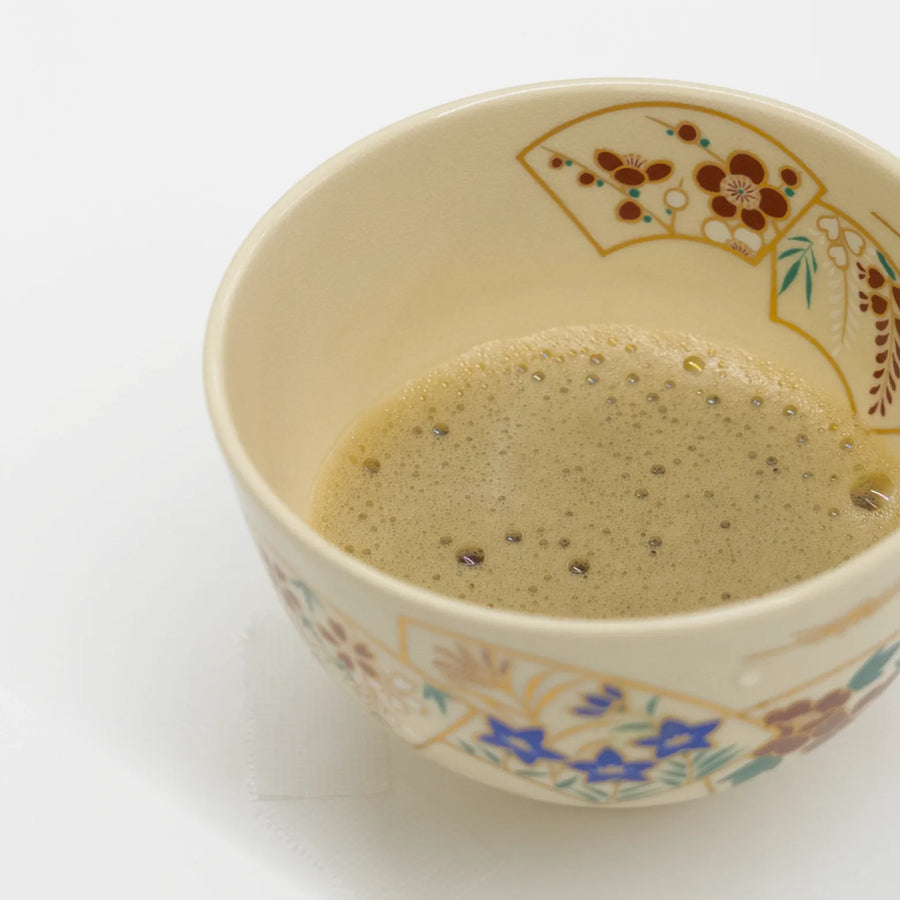
Whisk briskly with water that has cooled a little.
Too hot and the bitterness rises; too cool and the foam will not form finely.
| Infusion | TEMPERATURE | WATER | Matcha | Whisking time | TASTING NOTES |
|---|---|---|---|---|---|
| Usucha, one serving | 80℃ | 60ml | 2g | 15 sec | Umami and gentle bitterness overlap |
Water amount, temperature and time are guidelines. Adjust them to your taste.
For a smooth bowl
Sift the matcha through a tea strainer first. Fill the bowl with hot water to warm it, dip the whisk tips, then discard the water and wipe the bowl dry. Add the matcha, pour in the water, and whisk briskly back and forth in small strokes.
For koicha, use 4g to 30ml and knead rather than whisk.
About water
With hard water, matcha will not foam finely and the taste turns sharp. Use soft or low-mineral drinking water; hardness of 50 mg/L or less is the guide.
OTHER TEAS
CONNECT WITH US
BEYOND THE CUP
WHOLESALE
For shops & cafés
For specialty stores, cafés, and importers.
Contact us about wholesale and ongoing supply.


TEA TOUR
Visit Our Tea Farm
A journey through forests of Uji Zairai tea trees and 800 years of Japanese tea history.
NEWS LETTER
Be first to know
when new harvests arrive