


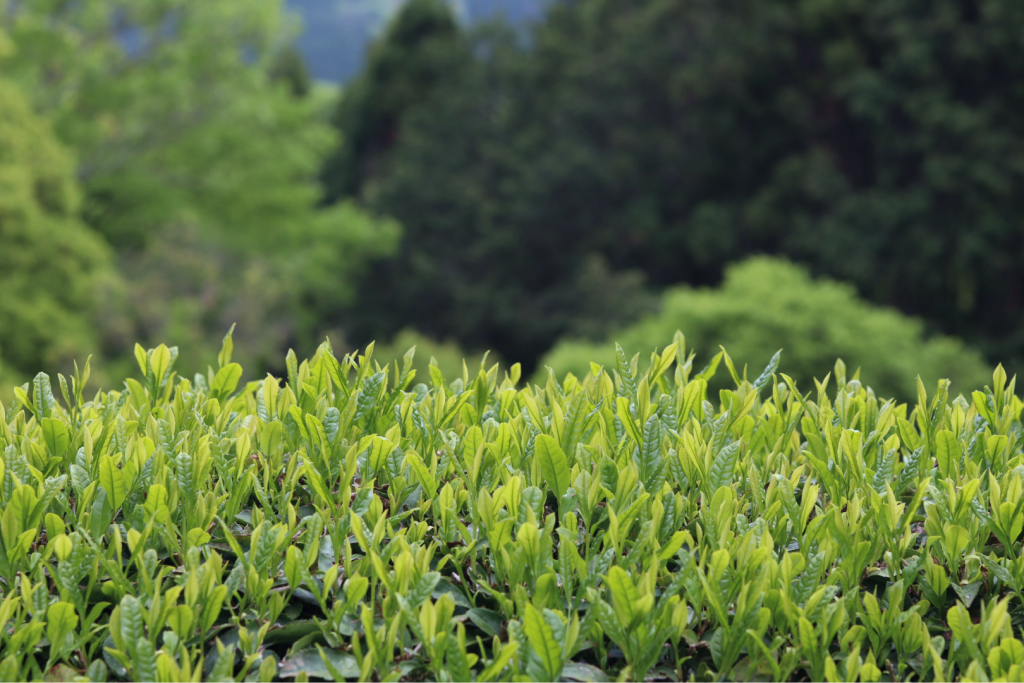
TO YUYADANI, KYOTO—THE BIRTHPLACE OF SENCHA
Tea nurtured by nature, untouched by time.
CONCEPT
BEYOND THE MODERN TASTE
Before cultivars such as Yabukita became dominant in the 1960s, seed-grown Zairai tea sustained Japan’s tea fields for more than 700 years. Unlike clonal cultivars that are replanted every 20 to 50 years, Zairai sends roots deep into the earth and can live for centuries.
Zairai bushes grow at uneven rates, are unsuited to machine harvesting, and respond very little to fertilization. As a result, they now account for less than 1% of Japan’s tea fields. Yet their genetic diversity creates a natural blend and, much like wine, produces a complex, profound aroma unique to the land.
We have revived centuries-old Zairai bushes passed down from Nagatani Soen, the originator of sencha, and crafted this tea for the first time in half a century. Discover traditional Uji tea filled with Hotoro-ka—the land’s own aroma, known as jikō, once cherished by generations past.

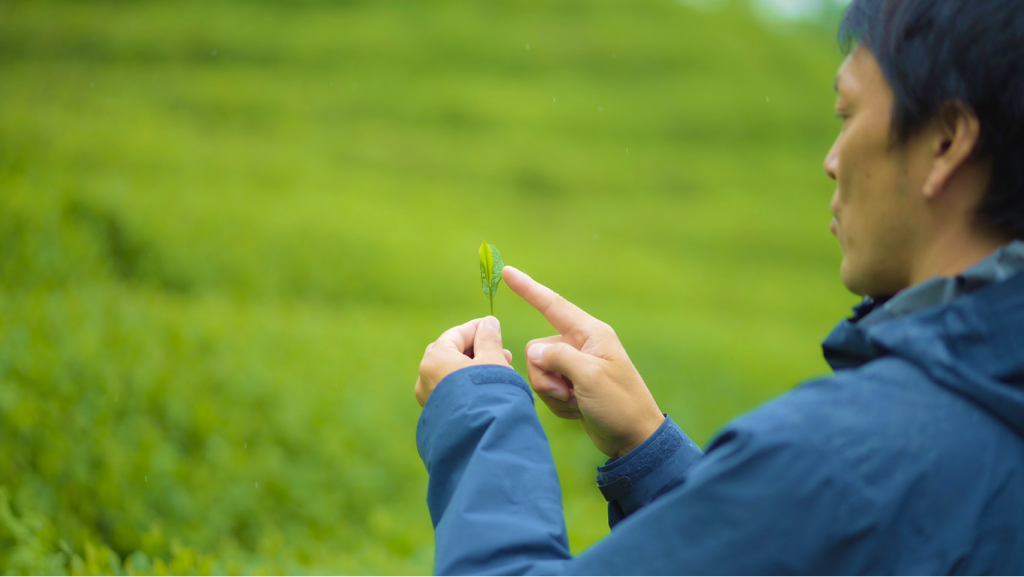
HISTORY
YUYADANI, THE BIRTHPLACE OF SENCHA
1271
The first tea bushes are planted in Obukudani
1300
Obukudani tea is praised for its exceptional depth of fragrance
1738
Nagatani Soen develops the sencha production method here
2016
A survey conducted by the ICOMOS International Scientific Committee on Cultural Landscapes in connection with a World Heritage nomination describes it as “the most historic and beautiful tea garden in Japan”
OUR GARDENS
THE PLOTS THAT FORM OUR SINGLE ESTATE
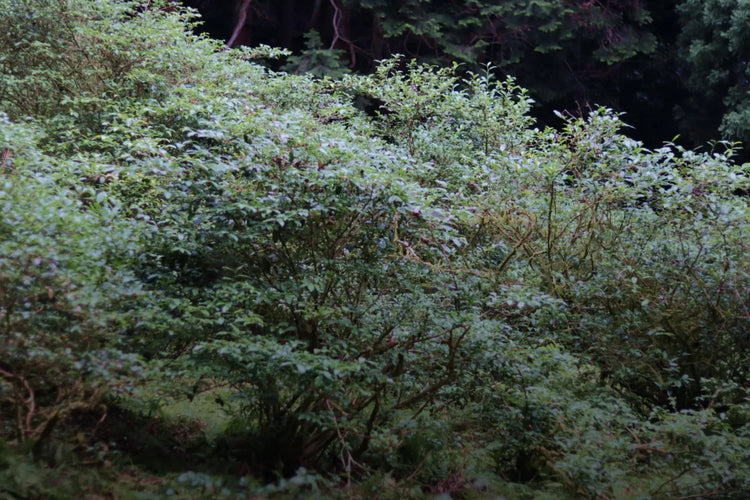
Obukudani Great Tea Tree
Uji Zairai bushes planted before the Edo period, estimated at over 200 years old. With great tea trees standing nearly 3 m tall, the grove is so otherworldly that time seems to stand still.
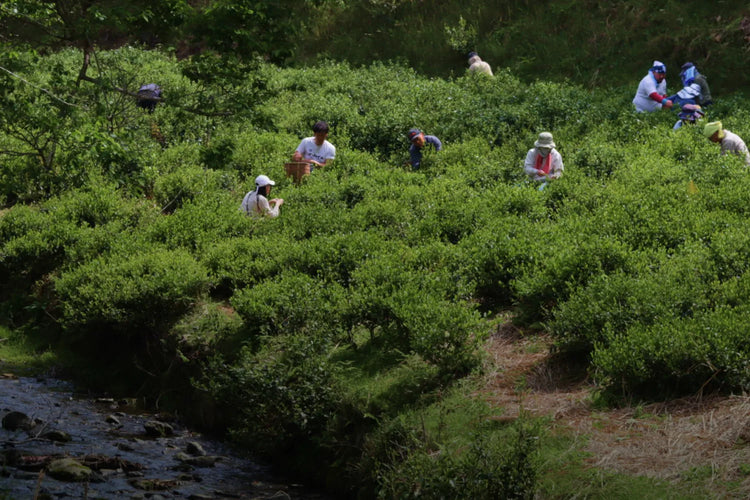
Obukudani Ancient Trees
Uji Zairai bushes estimated at over 100 years old. Left untended in Obukudani for more than half a century, they were revived by our hands in 2022 as the handpicked sencha “Hyakunenju no Shizuku.”
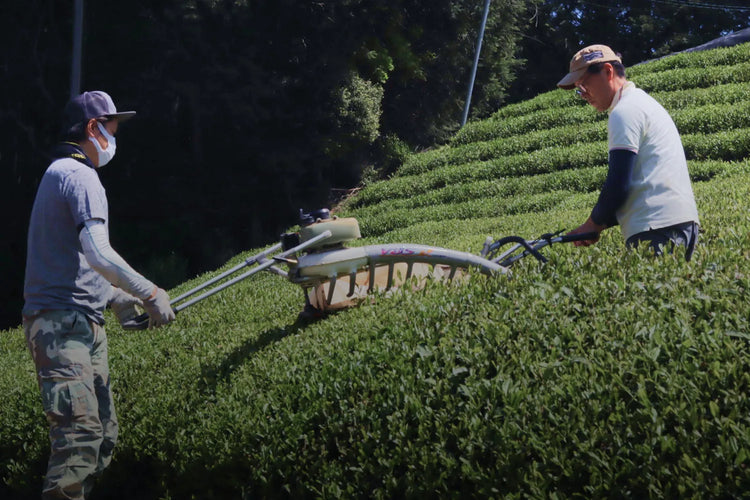
Ninotani Zairai
Zairai. The garden behind our matcha “Yutani no Shiro” and our sencha “Oku Ninotani.” Its base soil is a Cenozoic Tertiary layer long favored by Uji tea farmers; with a moderate clay content, it gives deeply rooted tea bushes the noble aroma unique to Uji.
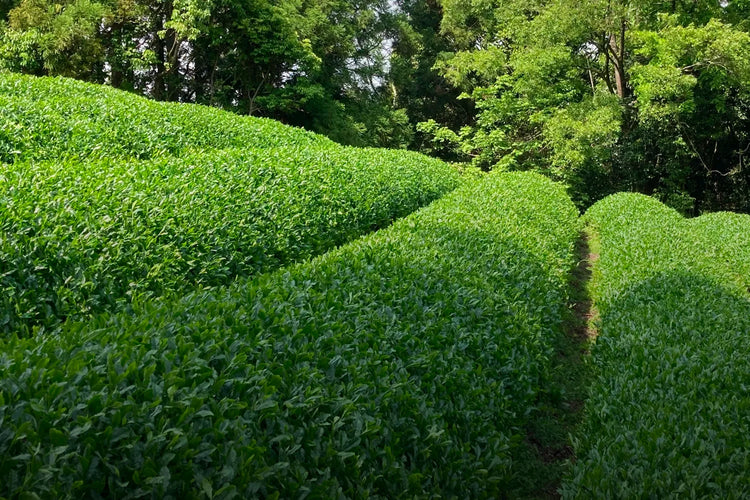
Kuromamezaka
Yabukita. A garden said to have been handed down from the family of Nagatani Soen. Its terrain embodies the “sunny cliffs, shaded groves” of Lu Yu’s Classic of Tea: it catches the morning sun and is sheltered from the western sun, ideal for tea bushes to grow.
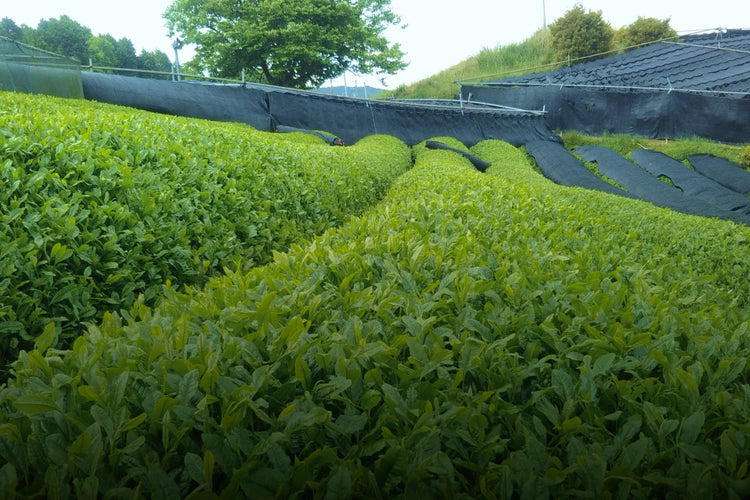
Inkyo
Yabukita. A garden on Cenozoic Tertiary soil that produces our matcha “Inkyo.”
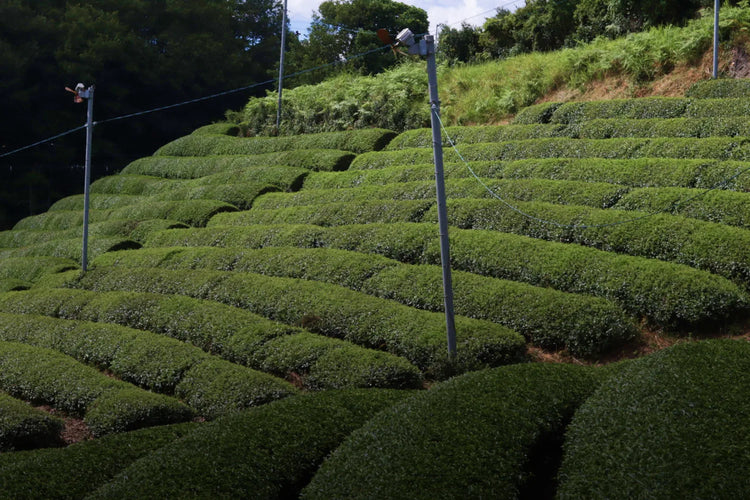
Okumidori
Okumidori. A cultivar with little astringency and a mellow balance of sweetness and umami. Here it meets the powerful, noble aroma and firm structure of Yuyadani’s terroir, yielding a fragrant, easy-drinking matcha.
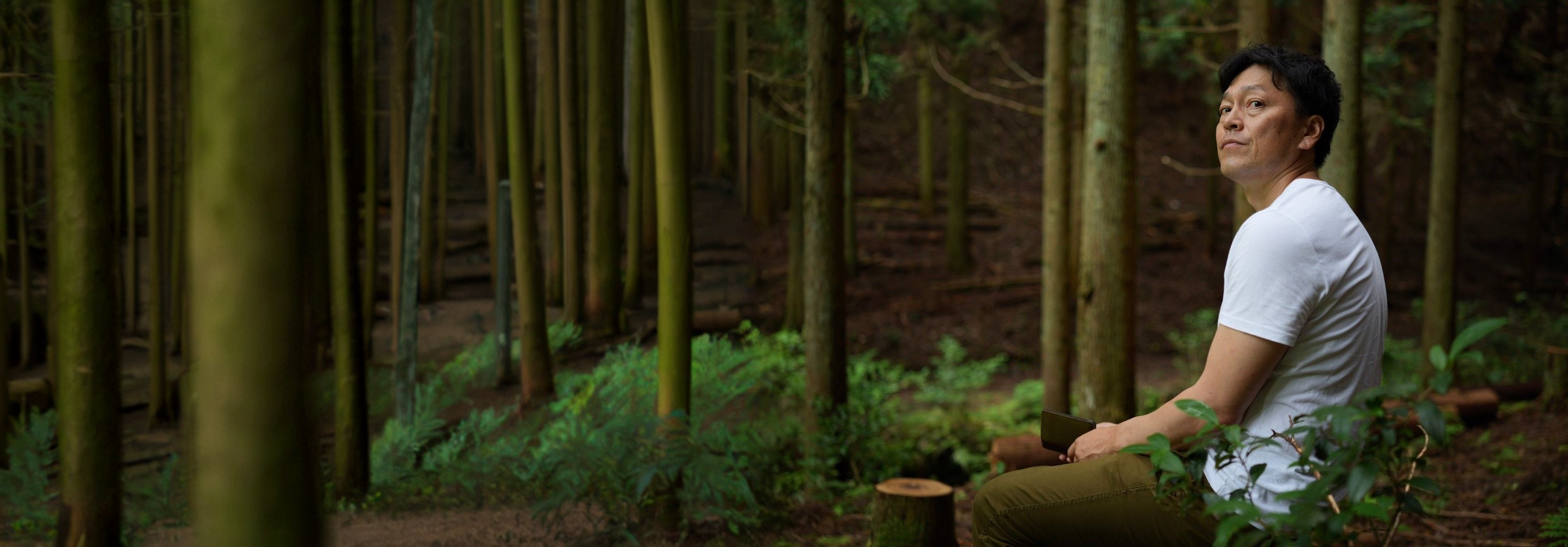
THE FARMER
FROM OUR TEA FIELDS TO THE WORLD
The tea we aspire to make begins with terroir. We grow the bushes ourselves and carry the work through to the finished tea with our own hands.
Historically, Japanese tea—like other commercial crops—developed under a division of labor shaped by the traditional social order: farmers cultivated the tea, while merchants finished and sold it. In the modern era, that separation has distanced tea from its place of origin in the minds of consumers, and from the fields where it begins.
Today, the world’s most valued foods are judged not only by the safety and integrity of the process, beginning with the production of their primary ingredients, but also by the character of the ingredients themselves.
Our challenge continues from these fields: to create Japanese tea that can stand proudly in the world.
Tatsuhiko Yamaguchi, Yamaguchi Tea Farm
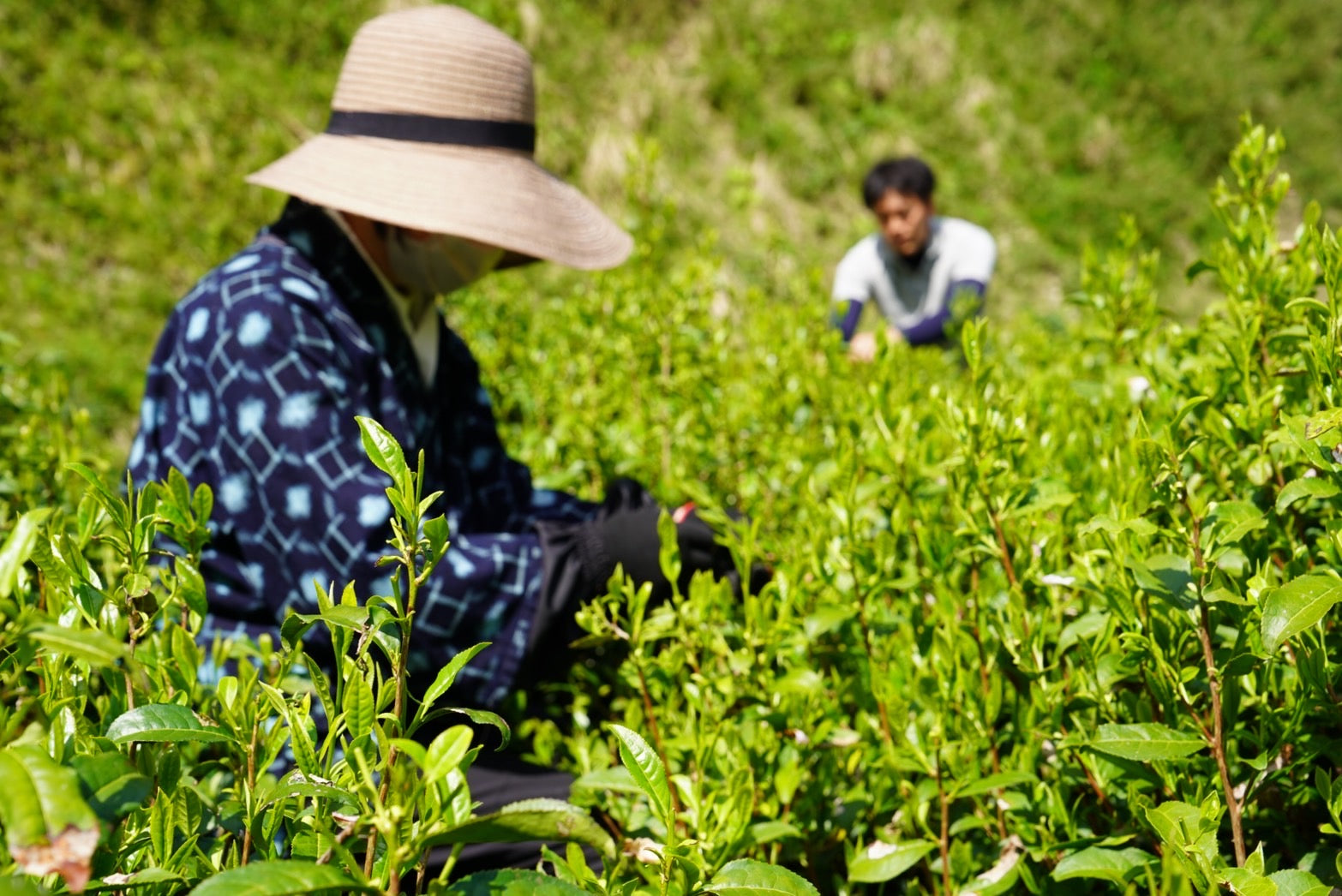
SEASONS
A YEAR IN YUYADANI
Our trees do not hurry. Through four seasons of mist, sunlight, blossoms, and frost, their roots draw in the character of this valley—year after year, for a century and more.
Spring awakens the first flush, and summer deepens the green. White tea blossoms open in autumn, while winter lays the fields to rest beneath the frost. What you taste in a single cup is a full year in Yuyadani.
CONNECT WITH US
BEYOND THE CUP
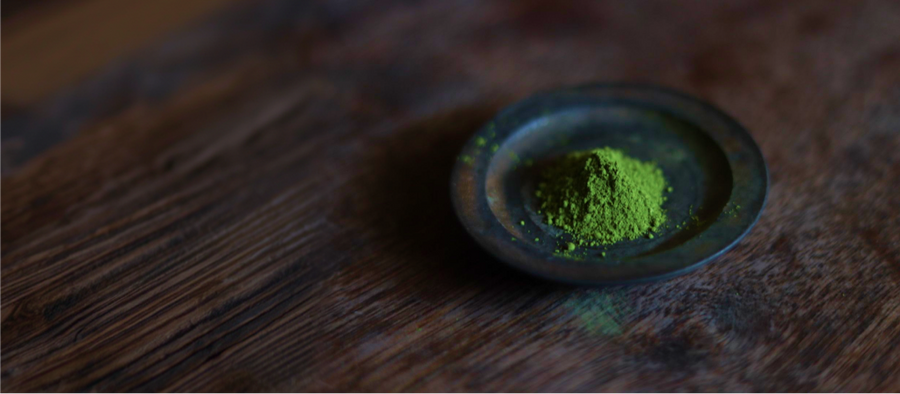
WHOLESALE
For shops & cafés
For specialty stores, cafés, and importers.
Contact us about wholesale and ongoing supply.


TEA TOUR
Visit Our Tea Farm
A journey through forests of Uji Zairai tea trees and 800 years of Japanese tea history.
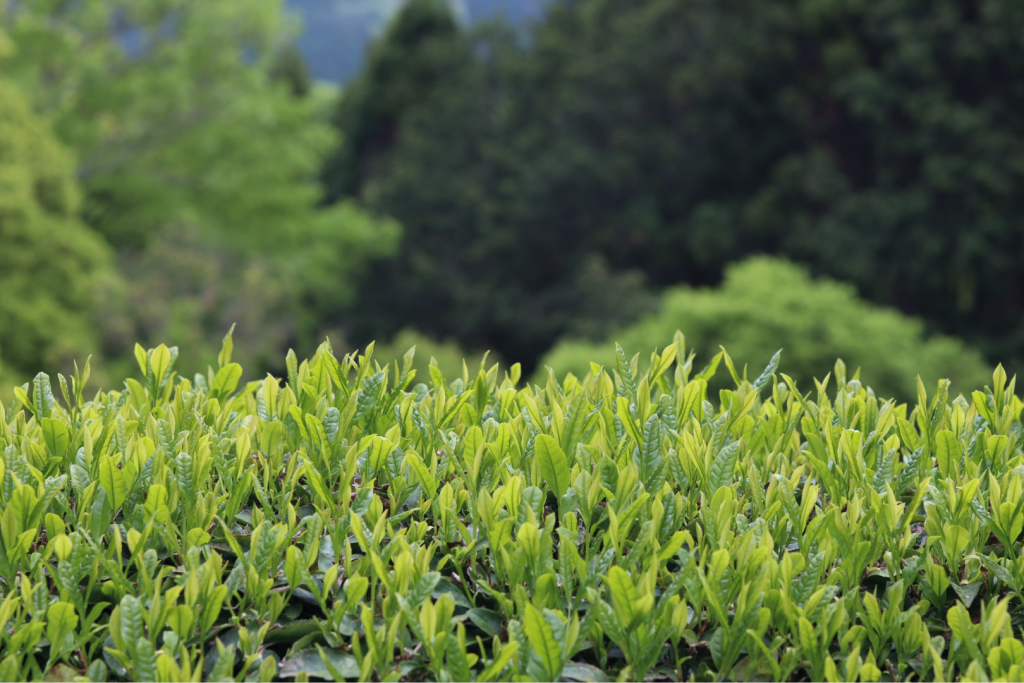
NEWS LETTER
Be first to know
when new harvests arrive